Introduction
In today’s urban landscape, living in small spaces has become the norm for many. While downsizing offers a myriad of advantages, including lower costs and less maintenance, it also presents unique challenges when it comes to decorating. How can you maximize every square inch of your cozy abode while ensuring it remains stylish and functional? Well, the answer lies in Transforming Small Spaces with Smart Decor Choices. This article delves deep into innovative strategies that will not only enhance the aesthetic appeal of your space but also make it more practical.
Understanding Small Space Limitations
What Defines a Small Space?
Small spaces are typically defined as areas that measure under 500 square feet. These can include studio apartments, tiny homes, or even compact rooms within larger homes.
Common Challenges in Decorating Small Spaces
Limited Storage Options: In smaller homes, finding room for storage can be tricky. Overcrowding: Too many furnishings can make a space feel cramped. Poor Lighting: Smaller areas often lack natural light, making them appear even smaller.Benefits of Smart Decor Choices
Through intelligent design and thoughtful decor choices, you can overcome these challenges and create an inviting atmosphere that maximizes comfort without compromising style.
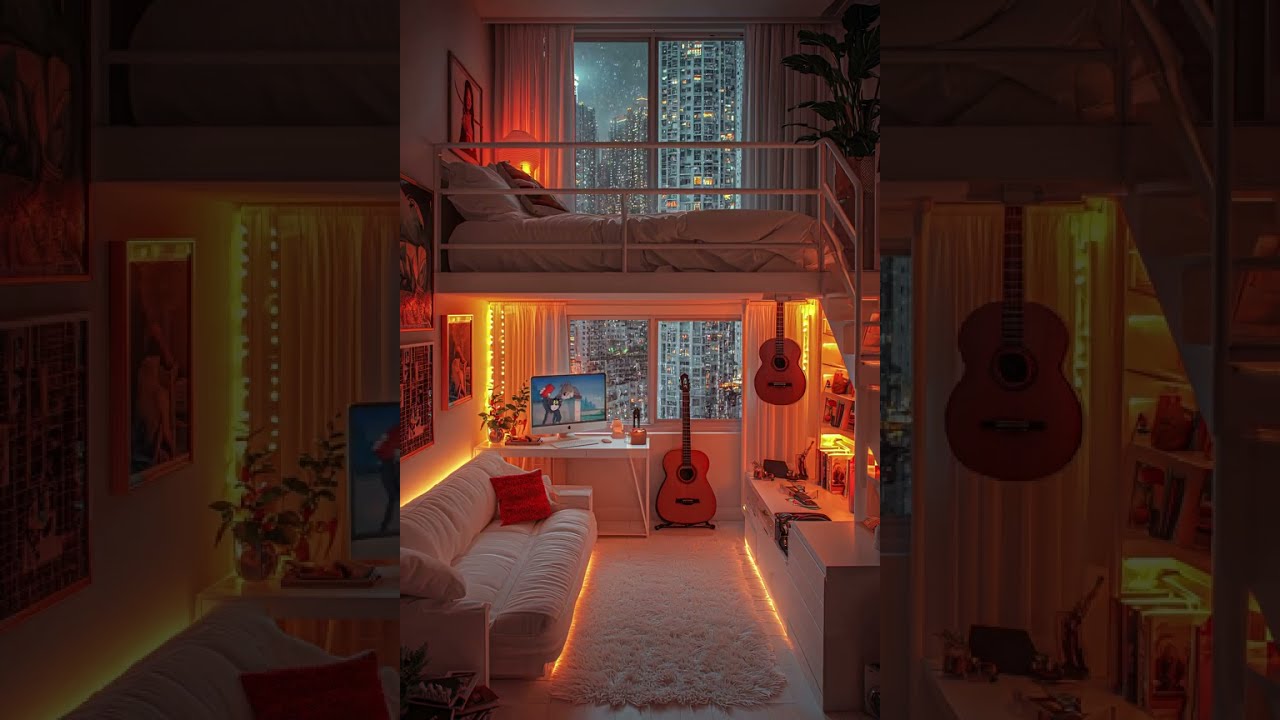
Transforming Small Spaces with Smart Decor Choices
When you're looking to transform your home, consider how each item contributes to the overall functionality and aesthetics of your space. Choosing wisely is key!
Choosing Colors Wisely
Light vs. Dark Colors
- Light colors make a room feel larger and more open. Dark colors can create warmth but may make a space feel enclosed if used excessively.
Accent Walls
An accent wall painted in a bolder color can create depth without overwhelming the space.
Furniture Selection for Small Spaces
Multi-functional Furniture
Consider pieces like sofa beds or ottomans that double as storage units to save valuable space.
Scale Matters
Choosing appropriately sized furniture ensures that your room looks balanced and inviting.
Smart Layouts for Efficiency
Open Concept Living
By creating an open layout, you can eliminate barriers that divide spaces and create a sense of flow.
Zoning Techniques
Use rugs or furniture placement to define different areas within an open space without needing walls.
Effective Use of Vertical Space
Shelving Solutions
Install shelves high on the wall to draw the eye upward while providing storage for books or decorative items.
Tall Furniture Arrangements
Using tall bookcases or cabinets takes advantage of vertical height rather than horizontal space.
Lighting Techniques for Small Spaces
Layered Lighting Approach
Combine ambient, task, and accent lighting to create a well-lit environment without overwhelming small areas with fixtures.
Mirrors as Light Enhancers
Strategically placing mirrors can reflect light around the room, enhancing brightness and creating an illusion of depth.
Decorative Accessories That Make an Impact
Statement Art Pieces
A large piece of artwork can act as a focal xmas lighting service point while adding personality to your decor without taking up much physical space.
Plants for Liveliness
Incorporating plants not only adds color but also brings life into your small area.
The Magic of Textiles
Rugs That Define Areas
Using area rugs helps demarcate spaces within larger rooms while also adding texture and warmth.
Curtains for Height Illusion
Hang curtains close to the ceiling to give the illusion of taller walls and larger windows.
FAQs Regarding Small Space Transformation
1. What are some quick tips for making a small room look bigger?
To make a small room feel larger:
- Use light colors on walls. Choose multi-functional furniture. Add mirrors strategically.
2. How do I choose furniture for my tiny apartment?
Opt for:
- Multi-purpose pieces (like sofa beds). Lightweight furniture that's easy to move. Items proportional to your space size.
3. Can I use dark colors in small rooms?
Yes! Just use them sparingly—consider one accent wall instead of covering all walls in dark shades.
4. What are some effective storage solutions?
Look into:
- Vertical shelving units, Under-bed storage, Ottomans with hidden compartments.
5. How important is lighting in small spaces?
Extremely! Good lighting enhances mood and makes spaces feel more welcoming—use multiple sources like lamps and natural light whenever possible.
6. Are there any plants suitable for low-light conditions?
Yes! Consider Snake plants or Pothos; they're not only hardy but also improve air quality!
Conclusion
Transforming small spaces with smart decor choices doesn't have to be daunting; it merely requires creativity and strategic thinking. By understanding color theory, selecting appropriate furniture, utilizing vertical heights effectively, incorporating smart lighting methods, choosing impactful accessories, leveraging textiles for warmth, and addressing storage needs thoughtfully—you’ll create an environment that feels spacious yet cozy. Remember: it's all about balance! Happy decorating!